Garden Clearance in Shadwell

Garden clearance in Shadwell should make overgrown, cluttered or neglected outdoor spaces usable again without turning the job into a drawn-out disruption. We handle the removal of green waste, broken garden items, soil, branches, plant pots and general outdoor debris, then leave the area ready for the next stage of your plans. Whether you need a one-off clear-out or a more organised tidy-up after garden work, the focus is on practical, careful removal and sensible sorting.
Our service is suited to front gardens, back gardens, shared yards and small outdoor spaces where access, storage and disposal all need a considered approach. We can clear mixed garden waste alongside other non-hazardous outdoor items, helping you deal with material that has built up over time. If you are comparing options, it is useful to look at what is included, how waste is separated and whether the service can deal with the kind of items already on site. Request a quotation when you are ready to start.
Useful choices often come down to how much needs removing and how tidy you want the space left. Some customers only need a straightforward green waste uplift, while others need old fencing, broken planters, turf, sheds in poor condition or general rubbish taken away as well. A clear scope helps us plan the work properly and keeps the job focused on the items that genuinely need to go.
What our garden clearance service covers

Garden clearance is most effective when the work starts with a clear separation of materials. Organic waste such as branches, hedge cuttings, leaves, grass and weeds can often be handled differently from old timber, damaged ornaments, worn-out garden furniture or builders-style debris left outdoors. That separation matters because it supports better disposal choices and keeps the process orderly from the beginning rather than sorting everything out at the end.
We can remove a wide range of outdoor waste that no longer serves the space, including piles of cuttings, dead growth, broken compost bags, cracked pots and assorted garden clutter. Where a garden has become difficult to navigate, the aim is to clear paths first and then work through the remaining material in a sensible sequence. If you are unsure whether something belongs in a clearance, it helps to group it with the items you want reviewed so the job can be assessed as a whole.
Typical items and materials that may be included are:
- branches, prunings and hedge trimmings
- grass cuttings, leaves and weeds
- soil, turf and small quantities of garden spoil
- broken plant pots, trays and containers
- old outdoor furniture and general garden rubbish
Clearing overgrown spaces with care

When an outdoor area has been left untended, the work is usually less about speed and more about working in the right order. A clear path through the space makes it easier to remove the heavier or bulkier waste without causing avoidable damage to fences, paving, beds or remaining planting. For many jobs, the useful question is not simply how much is there, but which items should be taken first so the rest of the space can be accessed properly.
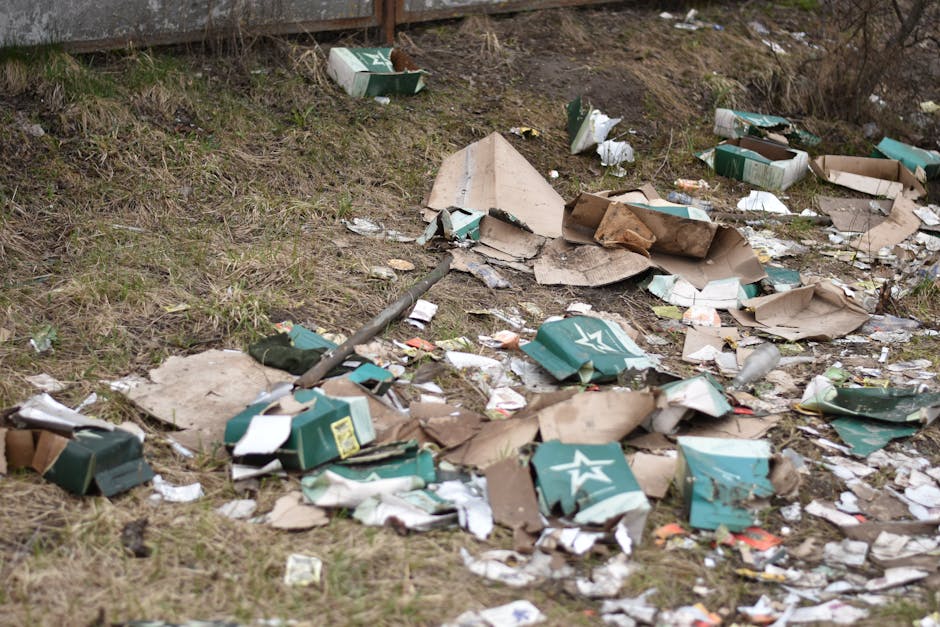
Overgrown areas often contain mixed material rather than one neat pile of garden waste. You may find that cuttings, old liners, half-used bags, unwanted timber and damaged outdoor fixtures have all collected together. In those situations, a structured clear-out is more effective than a quick sweep, because the work needs to distinguish between reusable items, recyclable material and ordinary rubbish. That approach is especially helpful where there is limited room to stage the waste before it is removed.
For older gardens or yards with long-standing clutter, it is sensible to think about what outcome matters most: a safer route through the space, a cleaner surface, or simply removal of everything no longer needed. We can shape the clearance around that aim, then remove the material in a way that leaves the area easier to use. If the scope is clear, the quote can reflect the actual job rather than an approximation based on guesswork.
Planning access, load size and sorting

Access is often one of the most important practical factors in garden clearance. Narrow side passages, shared entrances, rear access through a property or awkward steps can affect how the work is approached, even when the overall amount of waste is modest. It is worth thinking about where the material is currently located, whether it will need to be moved through the property and whether there are any items that require extra care because of weight, shape or condition.
When preparing for a quotation, a few clear details are usually enough to establish the likely scope. Describing the main materials, the approximate quantity and any access constraints helps the service be priced more accurately. If photographs are available, they can be useful for showing the state of the garden, but they are not the only way to explain the job. A short written description can work just as well when it is specific and honest.
It can also help to separate items that should be removed from anything you want to keep. That reduces the chance of confusion on the day and makes the work smoother. Good preparation is not about making the garden perfect before anyone arrives; it is simply about making sure the right waste is easy to identify. When you are ready, ask for a quotation and provide enough detail for a proper assessment.
Garden waste, mixed rubbish and responsible disposal

Garden clearance is rarely limited to fresh green waste alone. Many outdoor spaces contain a mix of natural material and unwanted household or garden items, especially after a period of reorganisation or weather damage. We can remove mixed non-hazardous waste from gardens where it is reasonable to combine the work, while keeping material organised for appropriate disposal routes. That may include recyclable timber, metal items, sacks of cuttings or general rubbish that has ended up outdoors.
There are also cases where the right answer is to clear the visible waste first and then deal with the remaining smaller items once the space is easier to inspect. This can be helpful in yards, side returns and compact gardens where clutter has built up gradually. A careful approach avoids unnecessary disturbance and makes it simpler to see what still needs attention after the main debris has gone. If you have specific items in mind, include them in the enquiry so the scope is clear from the start.
For customers comparing providers, disposal is not just a back-end detail. It is part of the service outcome, because the point of a clearance is to remove the material properly rather than merely move it elsewhere. If you want to discuss the work in more detail, make an enquiry and outline the mix of waste you need handled.
From tidying to a full outdoor clear-out
Some jobs are light and straightforward, while others involve much more than a quick tidy. A smaller clearance might focus on a few bags of trimmings, a broken bench and some old pots. A more involved job could include long-neglected borders, collapsed piles of garden waste, damaged storage items and assorted debris that needs sorting before removal. The right service is the one that matches the actual condition of the space, not the one that assumes every garden is the same.
Because outdoor areas vary so much, it helps to think in terms of the result you want. You may be aiming for a clear area for new planting, a better-looking frontage, a safe route to the shed or the removal of accumulated rubbish before a larger garden project begins. We can work to that result with the material actually present on site, rather than forcing the job into a fixed template. That keeps the service practical and easier to plan.
Common clearance decisions include whether to retain sound items for reuse, whether to separate green waste from other rubbish and how to handle bulky items that have been left outside for a long time. If you are ready to move ahead, the simplest next step is to request a quotation and describe the current state of the garden in plain terms.
About Shadwell
Shadwell is an East London district in the London Borough of Tower Hamlets, positioned between Whitechapel and Wapping and closely associated with the northern edge of the Thames-side Docklands area. Its character reflects layers of development: older streets, post-war rebuilding and later regeneration sit alongside traces of maritime and dock-related history. The area’s name is linked with the medieval St. Paul’s church that once stood nearby, and the locality has long been shaped by its proximity to the river and the commercial life of the eastern City fringe. Today, Shadwell station provides both London Overground and Docklands Light Railway services, underlining the area’s role as a connector between central and east London rather than a place isolated from them. Wapping Lane, Cable Street and the surrounding grid of roads offer a mixture of housing, local services and routes that reveal how the district has adapted over time. To the south and east, the river frontage and the proximity of historic dock spaces continue to influence the local landscape, while nearby inland streets show the denser urban grain typical of Tower Hamlets. Shadwell also has strong links to the wider cultural and social history of east London, including the well-known events associated with Cable Street and the enduring presence of communities that have shaped the neighbourhood through successive periods of change. The result is an area with a compact but varied urban identity, where transport links, waterside history and residential streets all contribute to its distinctive sense of place.
When a garden needs attention, the job is often simplest when the waste is handled in a clear sequence. We can remove cuttings, branches, old planters and other outdoor clutter, then deal with the remaining material in a way that keeps the space organised. If you already know roughly what needs taking away, a concise description is enough to begin a quotation. If you are not sure how to describe the job, list the main items and the sort of access involved, and we can work from there. For a quicker conversation, have a look at pricing and quotes if you want to understand how enquiries are typically handled.
Where a garden has become difficult to use, a sensible clearance can make later work more straightforward. That might mean removing old waste before new planting, taking away broken outdoor items before a tidy-up or clearing a blocked corner that has been collecting debris for years. We also handle garden clearance itself as the core service, so the focus stays on removing what no longer belongs in the space and leaving the area ready for the next stage. When you are ready, contact us to request a quotation.
Garden clearance for practical next steps
After the main waste has been removed, customers often have a clearer sense of what remains. Sometimes that means the next job is simple, such as trimming back growth or replacing a few broken items. In other cases, the clearance reveals areas that need a more detailed plan. Either way, it is easier to make decisions once the obvious clutter is out of the way and the outdoor area can be seen properly. The service is designed to support that transition without unnecessary fuss.
We can also work around different garden layouts, from compact courtyards to longer rear spaces and shared outdoor areas. A job may involve only one section of a property or the whole visible garden, depending on what has built up and what needs to be removed. If there are materials you would prefer to retain, it is best to identify them early so the clearance can be organised with those items left alone. Clear instructions tend to lead to a smoother and more accurate result.
Requesting a quotation is easier when the main points are covered: the type of waste, the amount involved, the access route and any items that need special handling because of their size or condition. A short note is often enough to start the process, and you can then decide whether the scope needs to be adjusted. If you would like to proceed, make the enquiry in your own words and describe the space as it stands now.
How to prepare a clear enquiry
There is no need to overcomplicate the first message. A straightforward explanation of what is in the garden, what you want removed and whether there are any access limitations will usually be enough to start. If you have taken photographs, they can help show the scale of the job, but a good written summary still matters because it explains the items in context. The best quotations are built on accurate information rather than a long list of assumptions.
If the clearance includes mixed items, note anything that is especially heavy, awkward or fragile. That may include planters, timber, broken seating, bags of soil or wet green waste. It can also help to mention whether the area is behind a house, along a narrow passage or within a shared courtyard. These practical details are not an obstacle; they simply help shape the job in a way that suits the site and avoids confusion on the day.
For a quick start, send the key details and ask for a quotation. If the job is straightforward, that may be enough to move forward. If it is more involved, the reply can focus on the materials to be removed and the best approach for handling them efficiently.
Garden waste removal in mixed-use outdoor spaces
Some outdoor spaces are used for storage as well as gardening, which means the clearance can involve more than one type of material. In these settings, the job may include soil bags, cuttings, weathered outdoor items, broken fencing sections or unwanted household pieces that have been left outside. A mixed-use space benefits from a practical sort-and-clear approach, because the aim is to remove the waste without creating a new pile of loose items or leaving the area in a worse state than before.
Where possible, it is helpful to separate clearly recyclable material from general rubbish, but that does not mean you need to do all the sorting yourself beforehand. The point of the service is to reduce the burden on you and deal with the items responsibly. What matters most is giving enough information to understand the balance of waste, especially if the clearance includes a combination of greenery, timber and bulky debris. That allows the work to be planned with fewer surprises.
The practical outcome is a space that can be used more easily for gardening, storage or simply everyday access. If the area has become cluttered over time, removing the unwanted material can be the first step toward a more orderly layout. For many customers, that is the main value of the service: not just taking waste away, but making the remaining space simpler to work with. Ask for a quotation if you want a clear estimate based on the actual contents.
Outdoor rubbish, old fixtures and tidy removal
Garden clearance often includes items that are not technically garden waste but still belong outside only temporarily. Old storage tubs, tired furniture, disused accessories and damaged fixtures can all sit in the same area as cuttings or branches, especially after a series of small jobs has been put off. We can remove those items alongside the usual outdoor waste when they are part of the same clear-out, helping the space feel more complete once the work is done.
It is worth remembering that not every object should be treated the same way. Timber may be suitable for one disposal route, metal for another and organic waste for another again. That is one reason a well-organised garden clearance is more effective than simply loading everything together without thought. The work is still practical and straightforward, but the detail matters if the aim is to clear the area properly and handle the waste sensibly.
If you have items you are unsure about, name them in the enquiry rather than leaving them implied. That can prevent avoidable back-and-forth and makes it easier to produce a quotation that matches the actual job. Make the enquiry when you are ready, and include the main things you want removed so the response can be useful from the outset.
Choosing the right garden clearance approach
Different gardens call for different levels of clearance, and it is sensible to choose the scope that matches the condition of the space. A light clearance may be enough if the garden just needs seasonal waste taken away. A heavier clearance may be needed where the area has been left untidy for longer, or where several kinds of waste have built up together. Neither is inherently better; the right approach is the one that fits the actual task in front of you.
In practice, the most helpful decisions are often the simplest ones. Decide what must go, what can stay and whether the job is limited to visible waste or includes items tucked away in corners and around sheds. Clarifying those points early helps avoid confusion and supports a quotation that reflects the real amount of work. It also means the clearance can be carried out with fewer interruptions once it starts.
If the goal is to create a cleaner, more manageable space, then a focused clearance can be the right first move before any further gardening takes place. That is particularly true in spaces where weeds, cuttings and old debris have made routine maintenance difficult. When you want to move ahead, request a quotation and set out the items you want removed in plain language.
Garden clearance support and quotation requests
Once the main waste has been identified, the final stage is usually just confirming the practical details. That includes the location of the items, the access route, any particularly bulky pieces and whether the job is limited to green waste or includes mixed outdoor rubbish as well. A clear quotation depends on honest information, but the process itself should remain straightforward and manageable.
We aim to keep the service focused on useful outcomes: removing what no longer belongs in the garden, sorting waste sensibly and leaving the space easier to use afterwards. Some customers need a small amount of material taken away; others need a full outdoor clear-out before they can start again. Whatever the scale, the purpose is the same. You are left with a clearer area and a better starting point for whatever comes next.
If you are ready to talk through the job, contact us for a quotation and describe the garden as it is now. If you would like to review how prices are approached before you enquire, you can also look at pricing and quotes. The simplest step is to share the main items, the access details and any priorities, then let the service be shaped around that information.